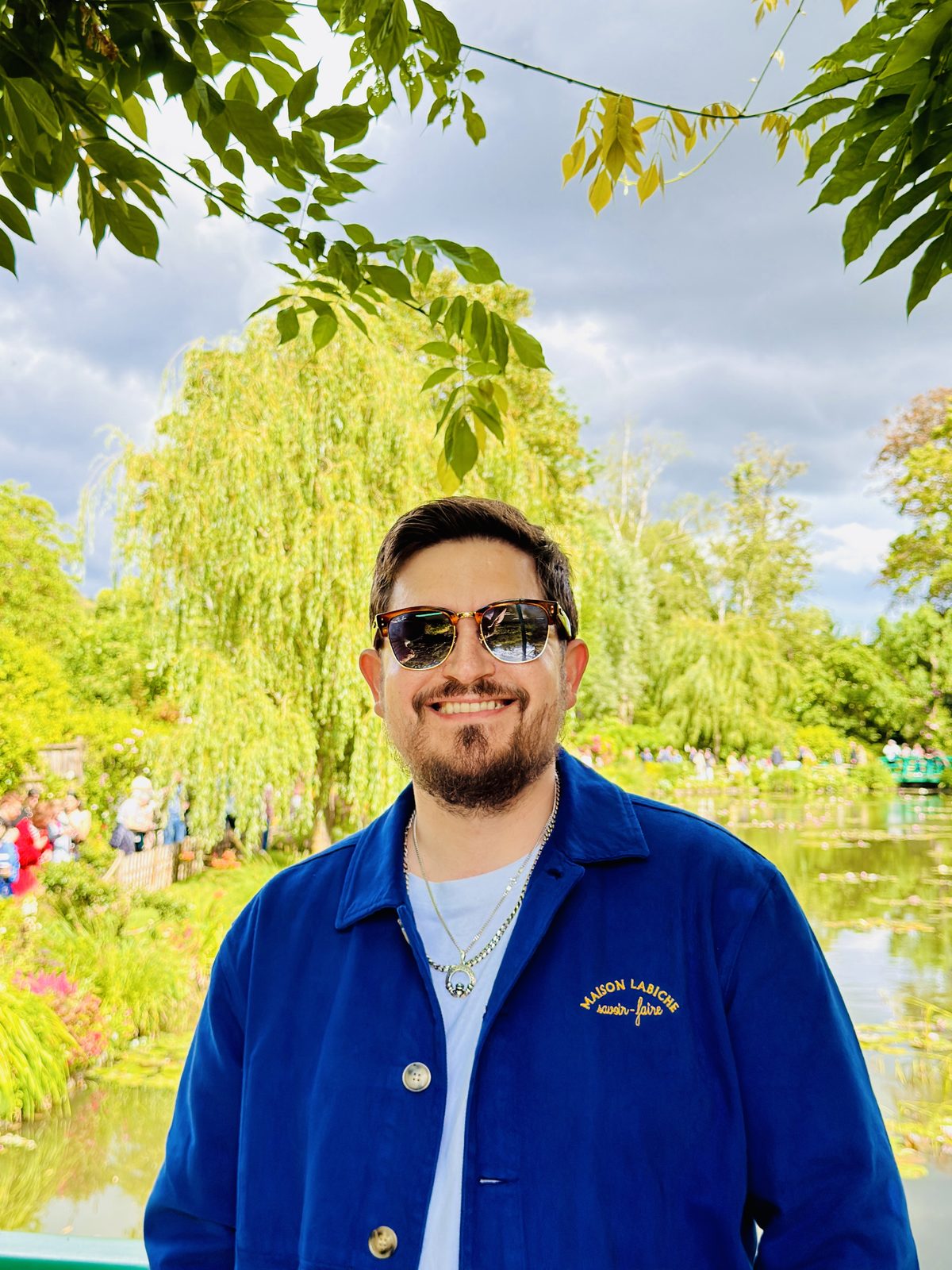
About Cody Heart
I started drawing as a kid, mostly athletes whose autographs I’d collect at games. That eventually took me to California College of the Arts to study illustration.
After school, I ended up in operations at Postmates and then Twitter, working on the data used to train machine learning models. On the side, I taught myself UX design, which eventually became product design and then my full-time job.
For the last seven years, I’ve mostly worked in healthcare. At Collective Health, I designed member tools, claims software, and billing workflows. At LifeStance, I lead design for a national booking platform that operates across 33 states.
A lot of the work I’m proudest of is pretty easy to measure: 39 seconds cut from an average call, 40% of manual billing work removed, a third fewer patients needing to be rematched with a clinician.
But getting to those numbers usually starts with something much more ordinary. Sitting with a call-center agent who repeats the same three sentences dozens of times a day. Watching a claims adjuster work around a form that clearly wasn’t designed for her. Thinking about someone trying to find a therapist at midnight while they’re already having a terrible night.
The metrics matter, but they’re usually the result of paying attention to the people doing the work.
I grew up in Los Angeles, spent about a decade in the Bay Area, two years in Manhattan, and the last few in Franklin, Tennessee, outside Nashville. In 2027, I’m moving to Chicago.
Each place has shaped how I work a little differently. The Bay Area gave me a strong product foundation. Postmates and Twitter gave me an operations mindset. Healthcare taught me how to work inside complicated, regulated systems where the right answer usually isn’t obvious.
I’m curious what Chicago adds.
I care about measurable outcomes, and I’m proud of the numbers behind the work. But I don’t want the next stretch of my career to be only about making metrics move. I want to make work that feels recognizably mine, includes more people than it leaves out, and is something I’d still stand behind even if nobody turned it into a case study.
Travel, for me, is built around wildlife photography — all four of these are mine. Four continents down, with plans to finish all seven in the next five years.
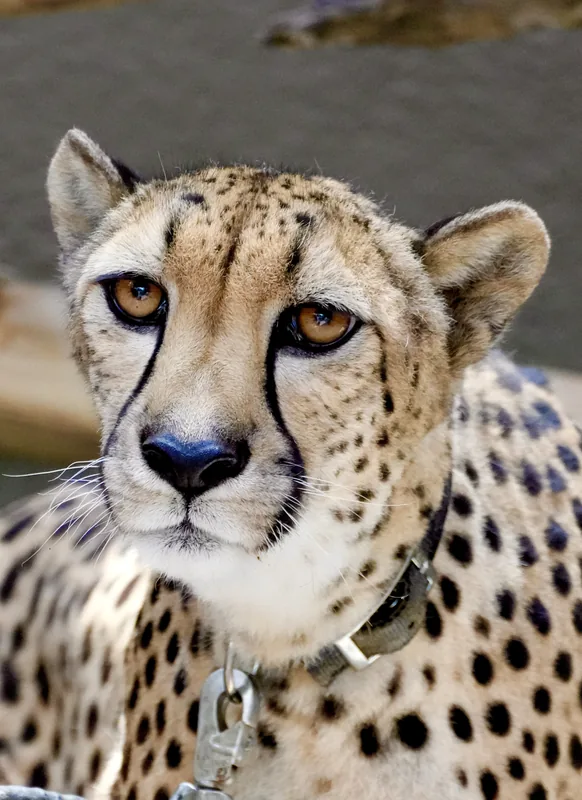
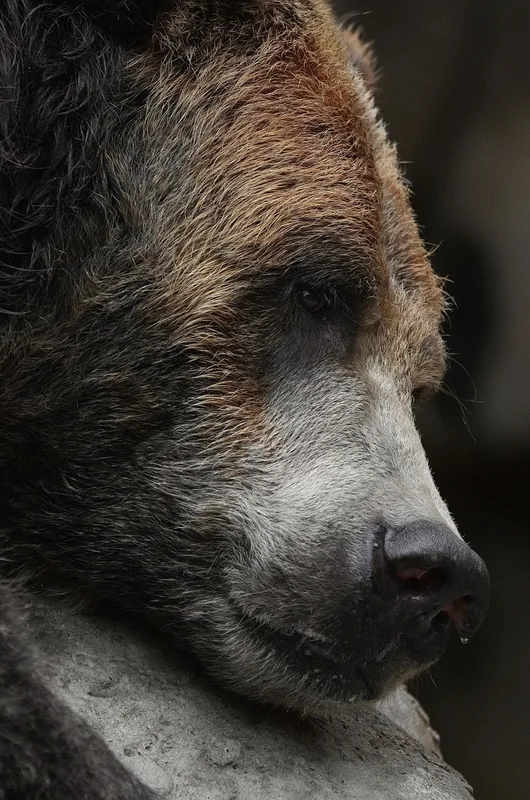
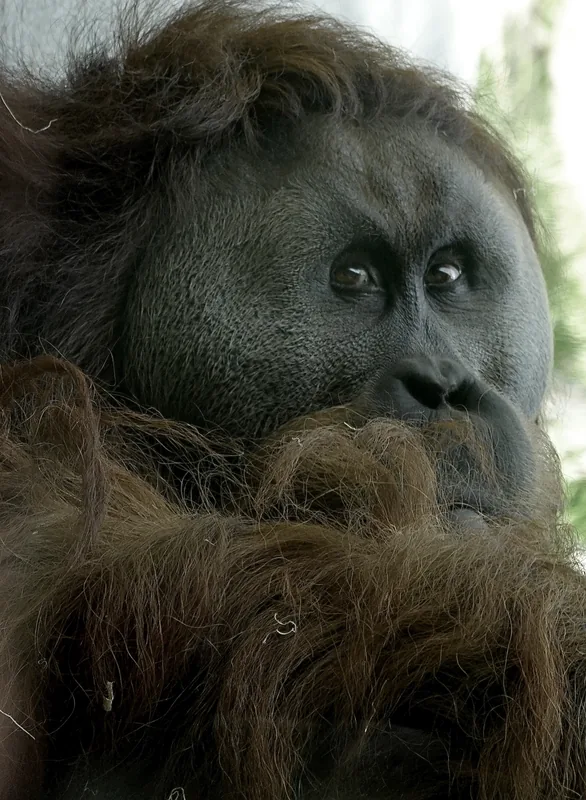

GiveChi.org — 39 Chicago charities, checked against their filings.
Lead Product Designer · Remote — Design across the 33-state footprint. Enabled the national rollout of an internal booking tool. Modeled a 9–11× design-team ROI the new CTO used for resource planning, and led strategy for a patient–provider routing system that turned an ambiguous funnel into a measurable framework.
Senior Designer & acting PO · Remote — Shipped the streamlined admin booking tool — 39 seconds off the average call, $500K/year in labor. Directed design across internal tools in 33 states and spent a year as acting Product Owner: backlog, stories, sprints.
Designer to Sr. Designer · San Francisco — Led end-to-end design of 45+ features across internal tools, member experiences, and platform infrastructure. Cut time on task by 50% in key CX workflows — 60% for out-of-network claim transcription — and eliminated 40% of manual billing work through automation.
I set aside an hour each week for other designers — portfolio reviews, career moves, untangling tricky work situations. If that sounds useful, grab a spot. If you want to talk about hiring, email me. And I run a separate site — a reader’s atlas of the books that have stayed with me. If you’ve read one that changed how you see something, I’d love to hear about it.